














How to Date Vintage Spanish Pottery Using Glaze Craquelure and Wear Patterns
To accurately date vintage Spanish pottery, look for an irregular network of fine, continuous glaze cracks (craquelure) combined with soft, unpolished abrasion on the unglazed foot rim. Genuine age-driven crazing spreads naturally across surfaces and into hidden recesses over decades due to moisture shifts and temperature changes, whereas artificial aging is typically selective and uneven.
Verifying these physical markers builds immediate credibility for collectors and preserves the rich history of multi-cultural Mediterranean craft. Identifying authentic production quirks protects you from modern reproductions and ensures you are investing in a genuine piece of historical artistry.
Step-by-Step Ceramic Verification Workflow
1. Analyze the Craquelure Network
Examine the glaze under a magnifying loupe to inspect the density of the network lines. True historical Spanish earthenware displays deep, multidirectional cracks where the clay body and glaze expanded at different rates over time. Be wary of uniform, tea-stained lines that stop abruptly, as these often indicate artificial chemical aging.
2. Audit the Foot Rim and Base
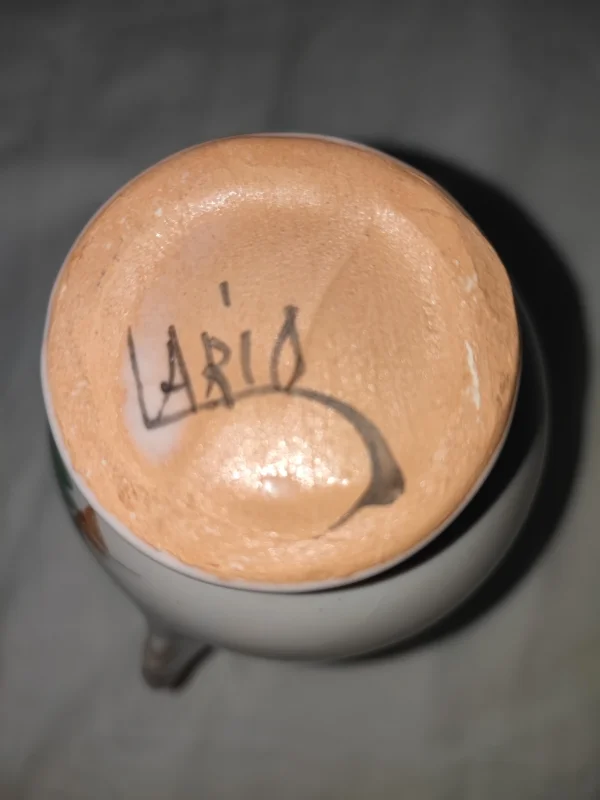
Flip the vessel over to audit the unglazed clay ring where the piece rested in the kiln. Authentic vintage ceramics exhibit soft, gradual darkening and natural smoothing from decades of contact with wooden shelves and tables. Modern replicas often show harsh, mechanical grinding marks or artificially uniform staining.
3. Check for Firing Imperfections
Look for small glaze pinholes, minor asymmetry, or tiny structural iron rust spots bubbling through the surface. Traditional, pre-industrial kilns used throughout Spain produced unique variances that modern automated factories simply cannot replicate. These quirks are badges of honest, traditional manufacture.
Care & Preservation Note: Mid-century glazes can be more delicate than modern equivalents; avoid abrasive scouring or prolonged soaking, which drives destructive moisture deep into the porous clay body.
Strategic Category Alignment and Collections
When comparing regional styles—such as bold, multi-hued majolica from Manises against the earthy, geometric hand-painted plates of Andalusia—physical wear patterns remain your ultimate structural timeline. Finding authentic pieces requires patience; because our vintage Spanish pottery collections consist entirely of one-of-a-kind artisan finds, our stock changes continuously as old estates are uncovered.
Frequently Asked Questions
Q: Is glaze crazing a structural defect that lowers the value of Spanish pottery?
A: No, stable craquelure is considered an indicator of genuine age and historical integrity rather than damage. It only devalues a piece if the glaze is actively flaking off or the underlying ceramic core is structurally cracked.
Q: Can I use standard kitchen dish soap to clean vintage earthenware?
A: You should only clean older ceramics with mild, diluted detergent applied gently via a soft cloth or swab. Avoid harsh acids, chemical bleaches, or submersion, as liquids travel through craze lines and permanently stain the inner clay.
Q: How do I distinguish hand-painted details from printed transfers?
A: Under magnification, authentic hand-painted Spanish brushstrokes feature tapered line edges and variable pools of glaze pigment. Transfer decals show perfectly uniform borders or a fine mechanical dot matrix layout.
In summary, letting the physical traits of glaze and clay tell the story ensures your collection remains structurally sound and historically authentic. Relying on verifiable wear patterns rather than easily forged signatures allows you to source exceptional Mediterranean pottery with complete confidence.