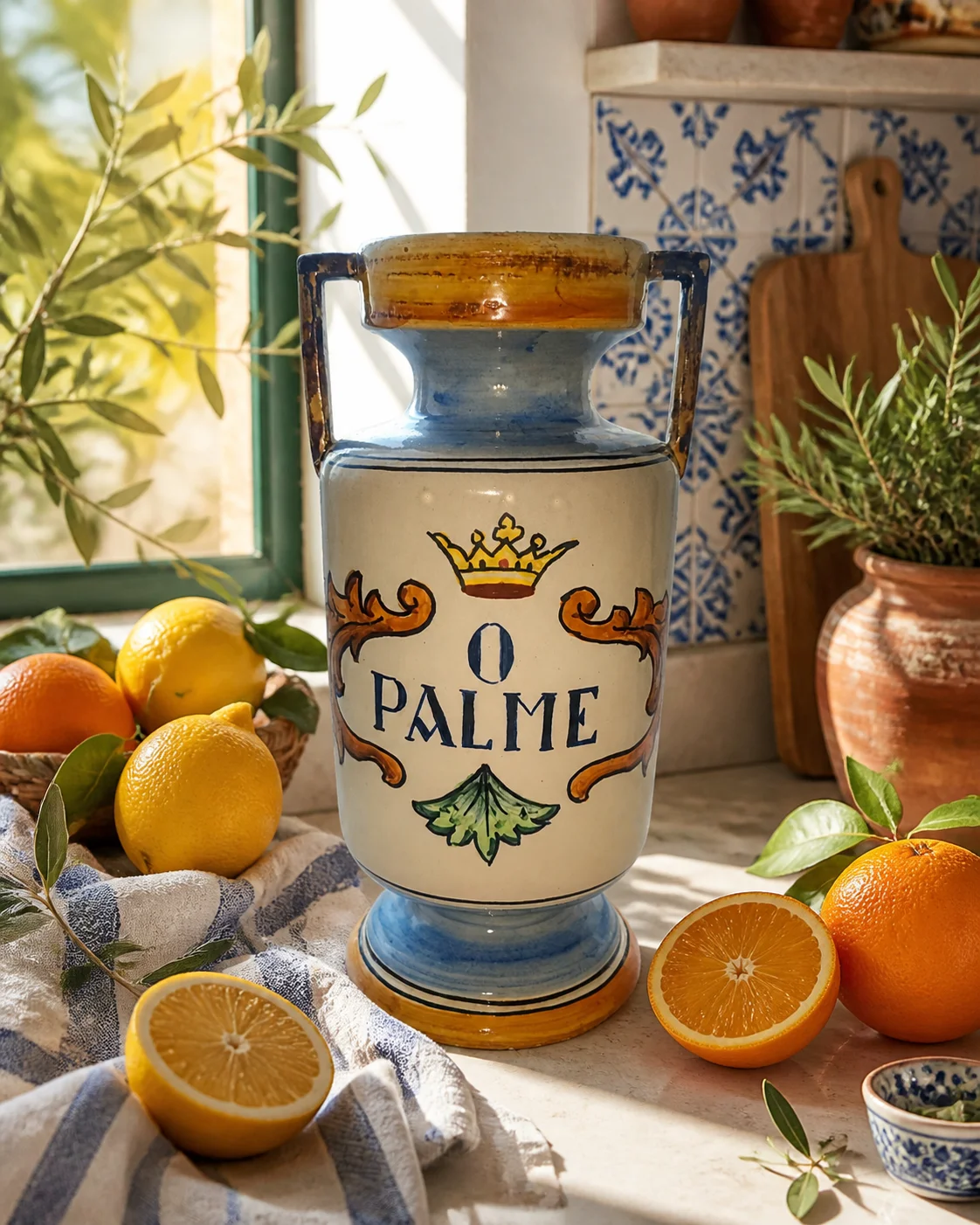
















Creating a Gallery Wall with Vintage Hand-Painted Spanish Plates
A gallery wall made from vintage hand-painted Spanish plates is one of the most charming ways to bring Mediterranean character into your home. Each plate carries its own story—whether it’s from Andalusia, Manises, or Murcia—and together they create a colourful, textured focal point that feels warm, personal, and timeless. This guide walks you through how to plan, hang, and style a plate gallery wall safely and beautifully.
Choosing the right Spanish plates for your gallery wall
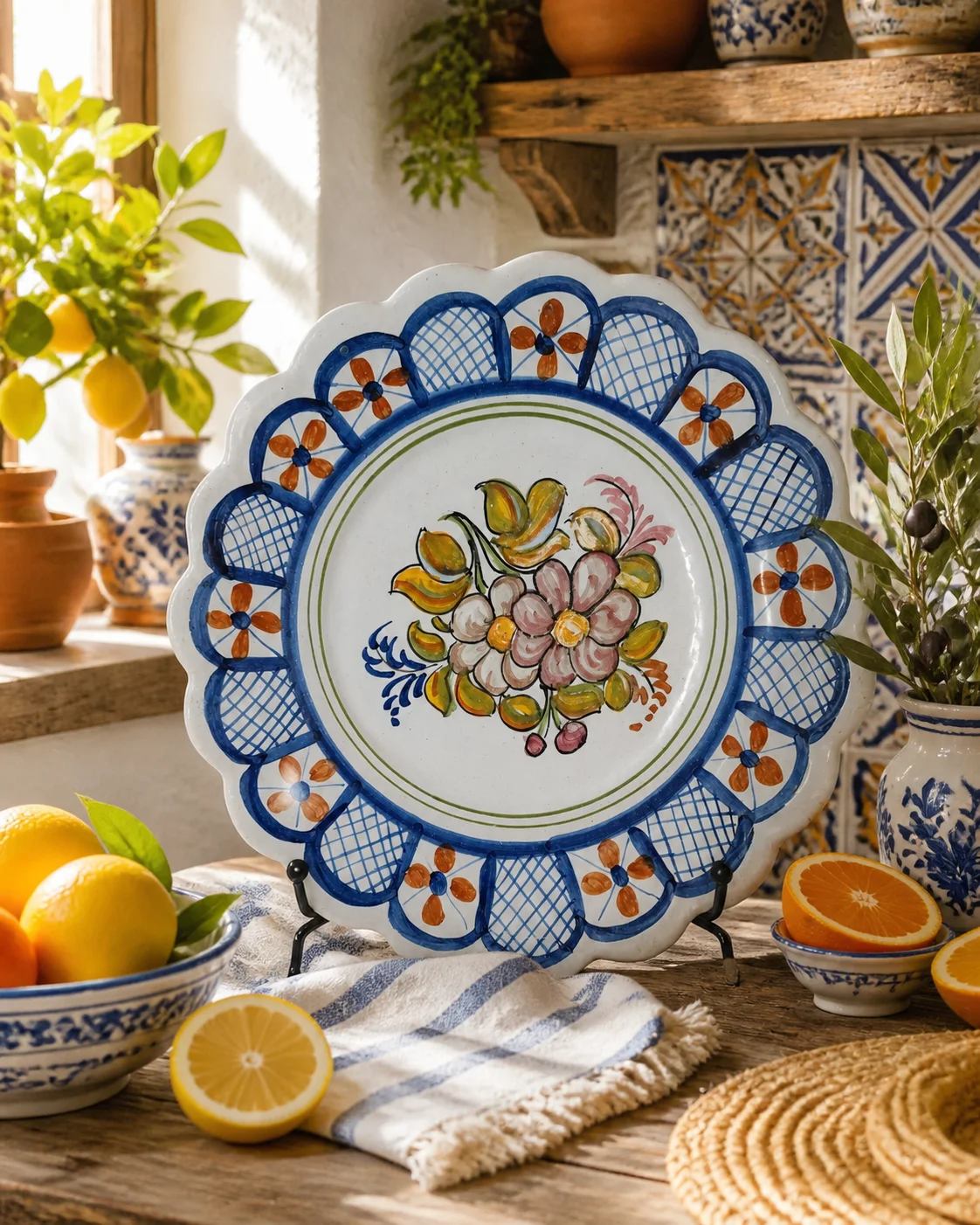
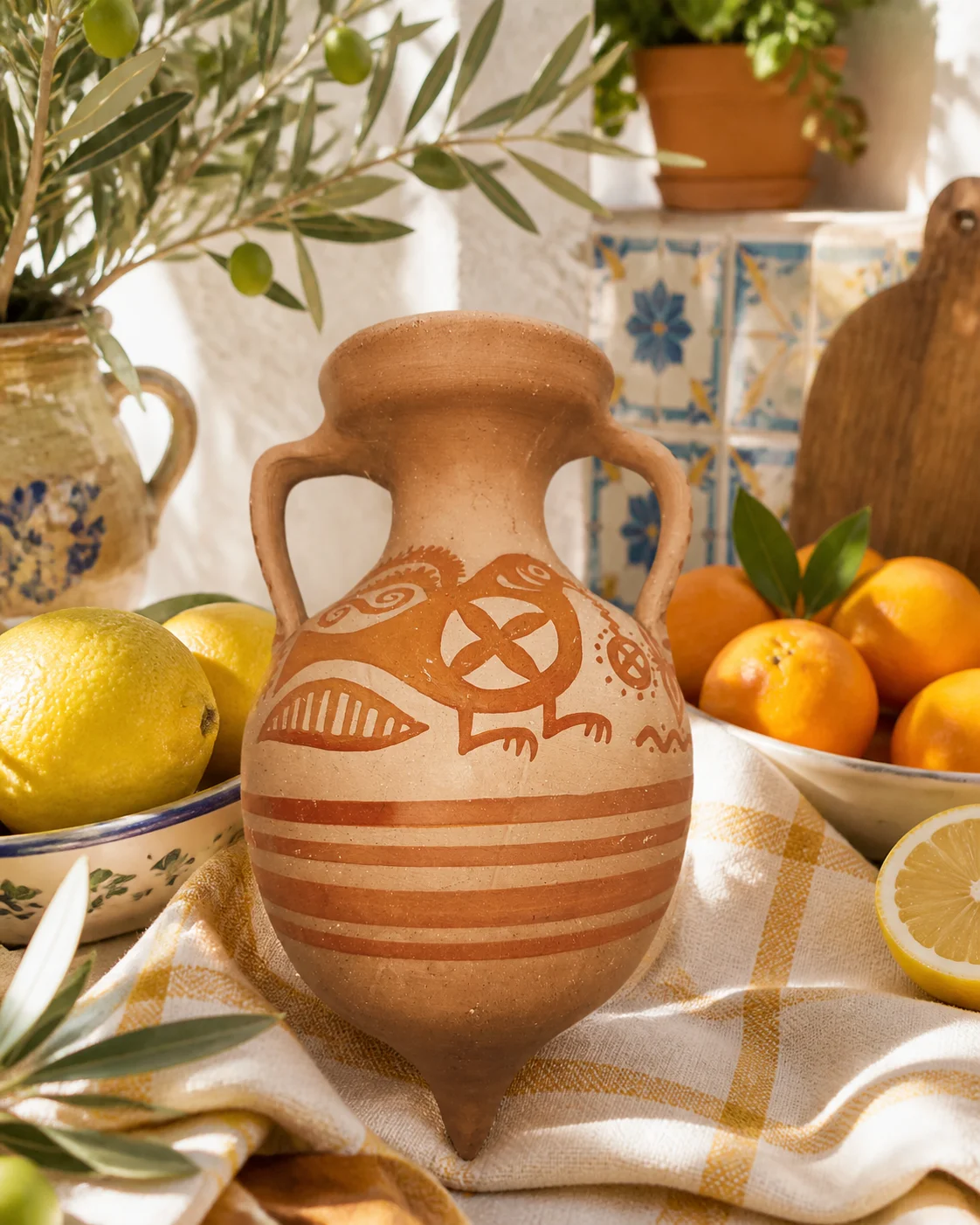
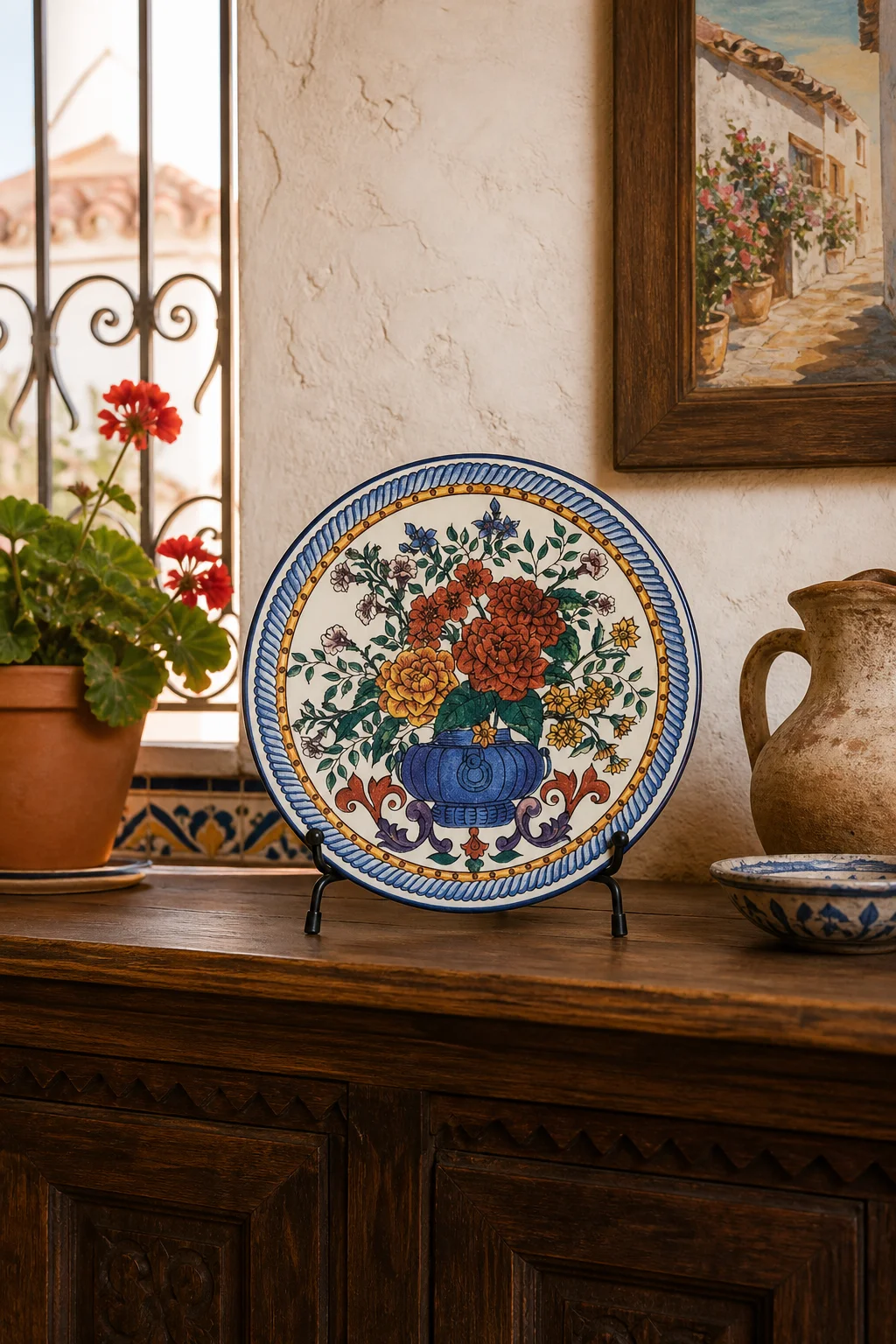
Start by deciding the overall look you want: bold and colourful, soft and rustic, or a mix of traditional motifs. Hand-painted Spanish plates often feature floral designs, geometric patterns, or classic Mediterranean colour palettes such as deep cobalt blue, terracotta, and olive green.
Vintage vs. new hand-painted plates
Vintage plates bring patina and history—small imperfections, crazing, or slightly faded glazes that add character. New hand-painted plates, like many Spanish wall plates available today, offer crisp designs and consistent colours, making it easier to build a cohesive scheme. A mix of both can work beautifully: use newer plates to anchor the layout and add vintage pieces as accents.
Coordinating colours and styles
For a calm, harmonious wall, choose plates that share at least one common element: colour, motif, or region. For example, you might combine blue-and-white Fajalauza-style plates with a few neutral, rustic pieces from Murcia. If you prefer an eclectic look, keep the colour palette limited (two or three main colours) so the wall feels intentional rather than chaotic.
Planning your gallery wall layout
Before you pick up a drill or hammer, plan the composition on paper. This saves time and prevents unnecessary holes in the wall.
Step-by-step layout planning
- Measure your wall: Decide the width and height of the area you want to fill. Leave some breathing space around furniture, doorways, or artwork.
- Create paper templates: Trace each plate onto paper and cut out the circles. Label them so you know which plate is which.
- Use low-tack tape to place the paper templates on the wall. Try symmetrical rows for a formal look, or a looser, organic arrangement for a more relaxed feel.
- Check spacing: Aim for roughly 10–15 cm between plates so each design can be appreciated without feeling crowded.
- Choose a focal point: Use one larger plate or a particularly striking design at eye level to anchor the display.
Hanging vintage Spanish plates safely
Ceramic plates are fragile, so safe hanging is essential. The right method depends on the plate’s weight, shape, and the type of wall.
Common hanging methods
- Built-in hanging hole: Many Spanish wall plates have a hole or loop at the back. Use a suitable wall hook or screw matched to your wall type (drywall, brick, plaster).
- Spring-loaded plate hangers: These grip the rim of the plate and are adjustable for different sizes. Choose hangers rated for the plate’s weight.
- Adhesive disc hangers: These stick to the back of the plate and attach to a hook. They work best on flat, clean, glazed backs and lighter plates.
Safety notes
- Check weight and hardware: Always match the hanger and wall fixing to the plate’s weight. Heavy plates may need wall plugs and screws rather than simple nails.
- Avoid high-traffic impact zones: Keep plates away from areas where they might be knocked, such as behind doors or very narrow hallways.
- Inspect regularly: Every few months, check that hangers are secure and that adhesive discs have not loosened.
Styling your Spanish plate gallery wall
Once your plates are safely hung, refine the look with a few styling choices. Spanish pottery pairs beautifully with natural materials and Mediterranean-inspired décor.
Combining plates with other décor
You can mix plates with framed prints, woven baskets, or a small mirror to create a layered gallery wall. Keep Spanish plates as the main feature and use other items sparingly so the ceramics remain the star. In dining rooms, a plate wall above a sideboard or console instantly adds warmth; in kitchens, a smaller arrangement near a breakfast nook can make the space feel cosy and lived-in.
Real-world example
A simple, effective layout might use three medium-sized hand-painted plates from Andalusia arranged horizontally above a console, with two smaller vintage plates staggered above and below. The repeated colours and motifs tie the display together, while the varied sizes keep it visually interesting.
Conclusion
Creating a gallery wall with vintage hand-painted Spanish plates is a practical, beautiful way to showcase your love of Spanish pottery and Mediterranean style. With thoughtful planning, safe hanging methods, and a cohesive colour palette, your wall becomes more than decoration—it becomes a personal story told in ceramic. Whether you use heirloom pieces, newly hand-painted plates, or a mix of both, the result is a unique focal point that will be enjoyed for years.
FAQs
How high should I hang a Spanish plate gallery wall?
A: Aim to place the main focal plate at eye level, usually around 145–155 cm from the floor. Adjust slightly depending on ceiling height and nearby furniture so the display feels balanced.
Can I hang vintage Spanish plates in a kitchen?
A: Yes, but avoid areas with direct steam, grease, or extreme heat, such as above a hob. Choose a wall away from splashes and clean the plates gently with a soft cloth to preserve the glaze.
Are adhesive plate hangers safe for heavier ceramic plates?
A: Adhesive hangers are best for lighter, flat-backed plates. For heavier or deeply curved pieces, use spring-loaded hangers or wall mounts rated for the correct weight and suitable for your wall type.
Can I mix Spanish plates with other types of vintage pottery?
A: You can mix Spanish plates with other European or Mediterranean ceramics as long as the colours and styles complement each other. Keeping a consistent palette or repeating similar motifs helps the gallery wall look cohesive rather than random.