















The Collector’s Guide to Vintage Talavera de la Reina Decorative Plates
Vintage Talavera de la Reina plates are more than pretty ceramics – they are pieces of Spanish history. With their luminous white glaze and hand-painted cobalt blues, yellows and greens, these plates bring the spirit of Castile and the Mediterranean straight into your home. This guide walks you through how to recognise, evaluate and care for Talavera plates so you can build a collection that is beautiful, authentic and safe to display.
What makes Talavera de la Reina plates special?
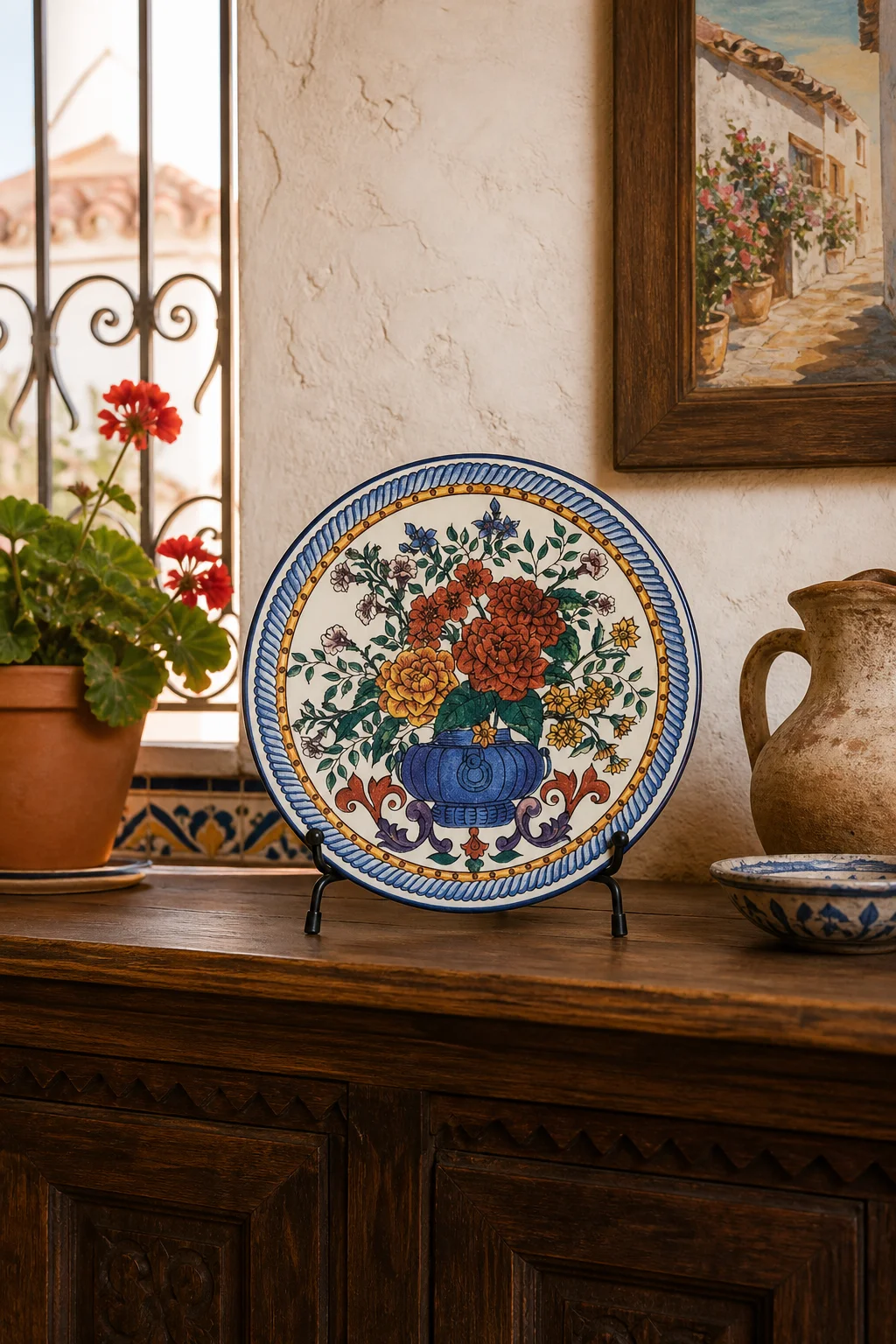
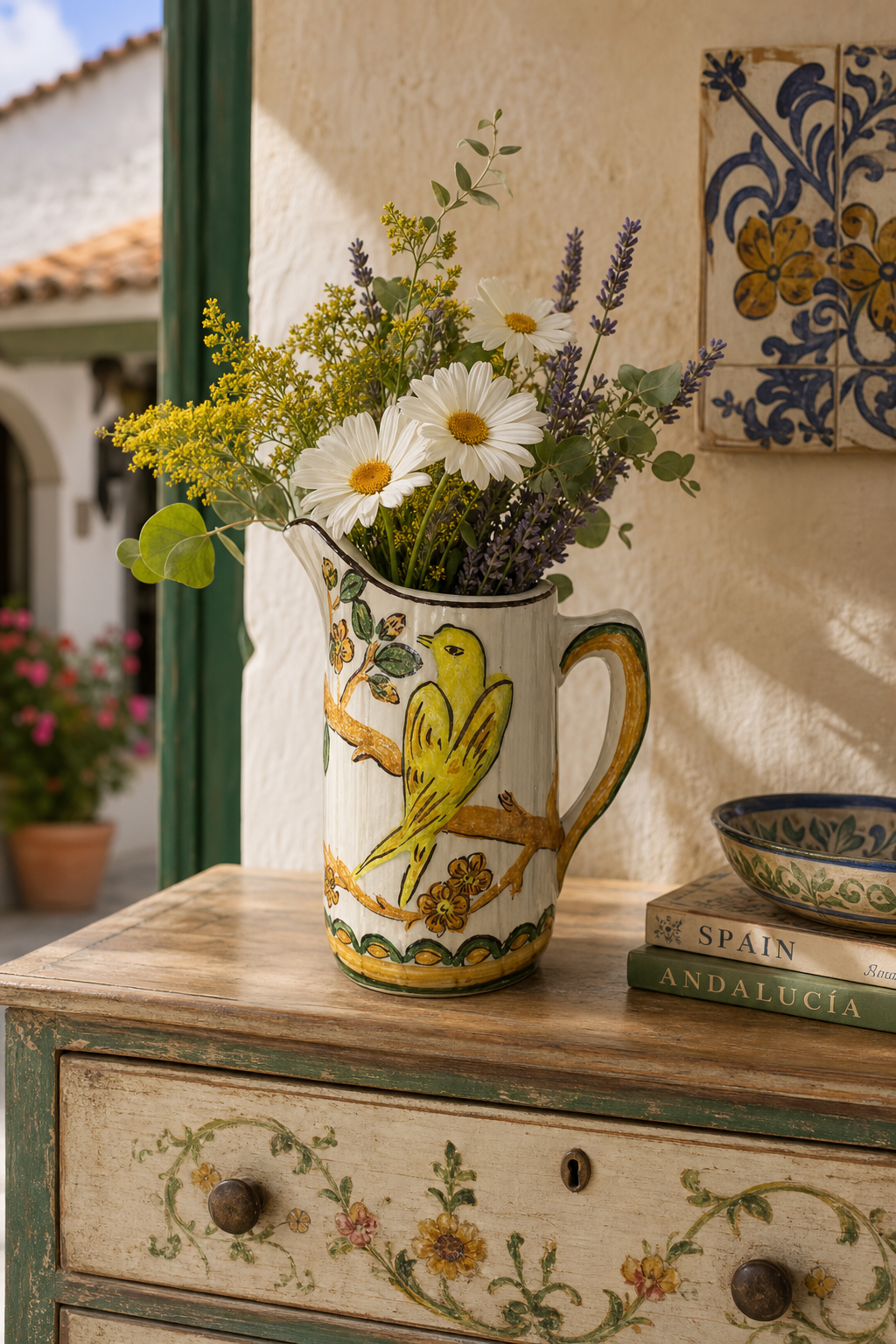
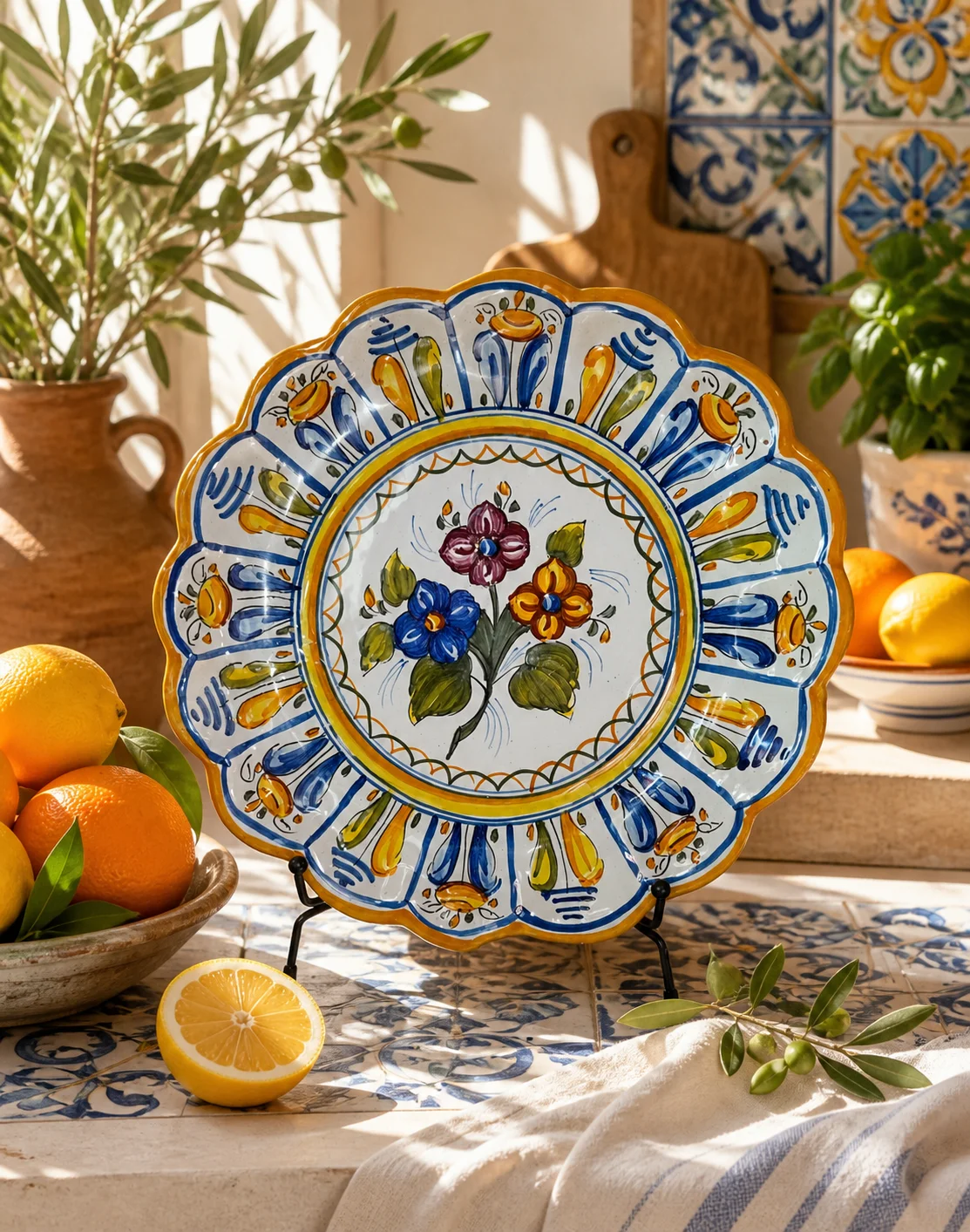
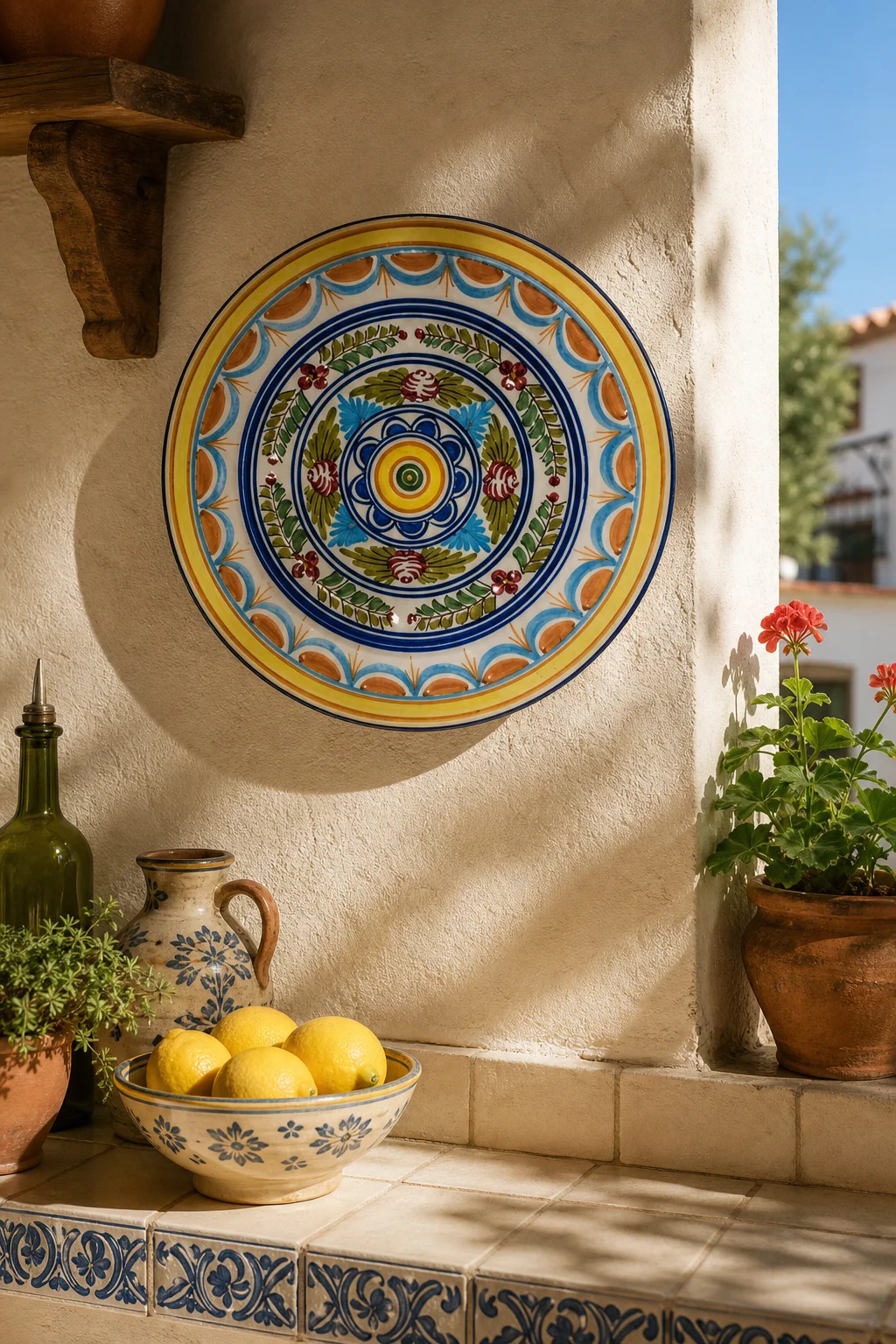
Talavera de la Reina pottery is a tin-glazed earthenware (mayólica) produced in the town of Talavera de la Reina, in Castilla-La Mancha. The characteristic opaque white glaze is painted by hand with traditional motifs: hunting scenes, animals, heraldic shields, floral borders and geometric friezes. Many vintage plates follow historic “series” such as blue-and-white or polychrome designs, inspired by Islamic, Italian and later Baroque influences.
Key visual features to look for
- Glaze: Slightly irregular, glossy white background with visible brushwork in the colours.
- Motifs: Repeated borders, central medallions, and scenes that feel narrative rather than purely abstract.
- Hand-painting: Tiny variations in lines and colour intensity – perfect uniformity usually suggests modern printing.
How to identify authentic vintage Talavera plates
Because Talavera is popular, imitations are common. A simple step-by-step check helps you avoid disappointment:
Step-by-step authenticity checklist
- Examine the base: Turn the plate over and look for a workshop mark, name, or place such as “Talavera” or a known factory. Some older pieces may have only painted initials or numbers.
- Check the clay and weight: Talavera is earthenware, not porcelain. The plate should feel solid but not overly heavy, with a slightly creamy or buff clay visible where the glaze stops.
- Look at the decoration: Colours are usually cobalt blue, yellow, green, manganese and sometimes orange. The design should sit naturally within the plate, not like a printed decal.
- Assess wear: Genuine vintage plates often show gentle wear on the rim or base, but the glaze should still be well-adhered and not flaking.
- Compare with references: When in doubt, compare motifs and marks with museum collections, specialist books or reputable dealers.
Condition, value and safe display
Collectors balance charm with condition. Hairline cracks, chips and heavy crazing reduce value, but a small rim nick on an otherwise rare plate may be acceptable. Always ask yourself whether the plate will be used purely decoratively or occasionally for serving.
Safety notes for hanging and handling
- Use quality plate hangers: Choose hangers sized correctly for the diameter and test them over a soft surface first.
- Avoid extreme changes: Keep plates away from direct heat sources and damp walls to prevent stress cracks.
- Handle with both hands: Support the plate from underneath rather than by the rim when moving or cleaning.
Styling Talavera plates in Mediterranean-inspired décor
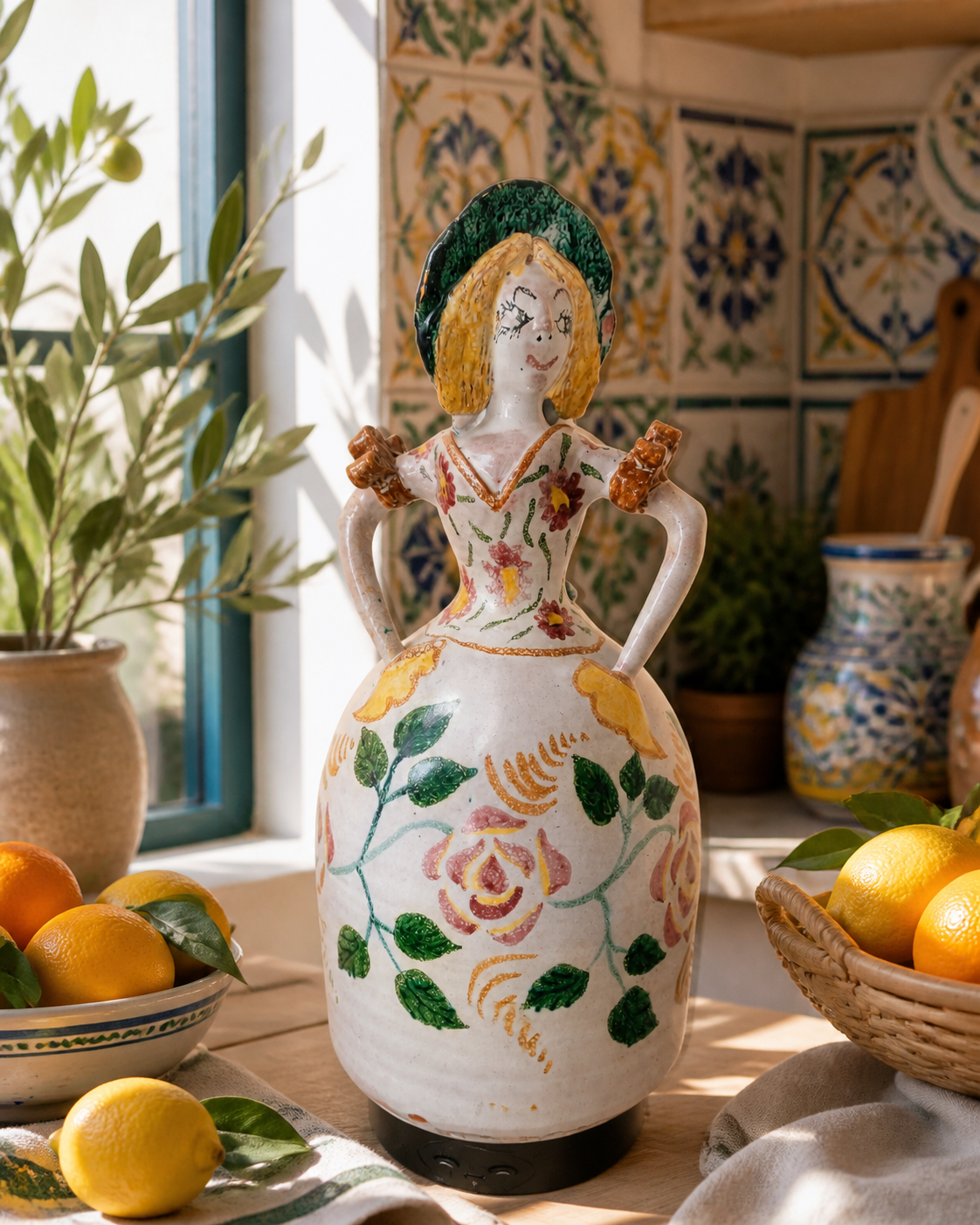
Talavera plates work beautifully in kitchens, dining rooms and patios with white walls, natural wood and terracotta floors. A single statement plate above a console can feel like a small museum piece, while a group of smaller plates arranged in a loose cluster creates a relaxed, Mediterranean mood.
If you are starting a collection, consider mixing one or two vintage plates with contemporary Talavera-style pieces from trusted makers or specialist shops such as PotteryFromSpain.com. This keeps costs manageable while still giving you the depth and character of older work.
Caring for your vintage Talavera plates
For decorative plates, dust regularly with a soft, dry cloth. If deeper cleaning is needed, use lukewarm water and a mild, non-abrasive soap, then dry thoroughly. Avoid dishwashers and harsh chemicals, which can dull the glaze and damage hand-painted details over time.
Conclusion
Collecting vintage Talavera de la Reina plates is a rewarding way to bring Spanish heritage into your home. By learning to recognise authentic pieces, checking condition carefully and displaying them safely, you can enjoy a collection that feels both historic and perfectly at home in modern Mediterranean décor.
FAQs
How old does a Talavera plate need to be to count as “vintage”?
A: Many collectors consider plates from the mid-20th century or earlier as vintage, while anything older than around 100 years may be classed as antique. Age is only one factor; workshop, design and condition also influence desirability.
Can vintage Talavera plates be used for serving food?
A: Yes, many plates were originally made for table use, but older pieces may have wear or restorations. If you plan to serve food, choose plates in sound condition and wash them gently by hand, avoiding very hot or acidic foods that could stress the glaze.
Are Mexican Talavera plates the same as Talavera de la Reina?
A: Mexican Talavera shares the same tin-glazed tradition and is recognised by UNESCO alongside Talavera de la Reina, but it has its own workshops, marks and decorative styles. Collectors often enjoy both, while clearly distinguishing Spanish from Mexican origins.
Where should I start if I’m new to collecting Talavera plates?
A: Begin with one or two plates from reputable dealers or specialist online shops, focusing on designs you genuinely love. As you gain confidence, you can explore older series, rarer motifs and plates with documented workshop marks.