














How to Clean Spanish Pottery Safely
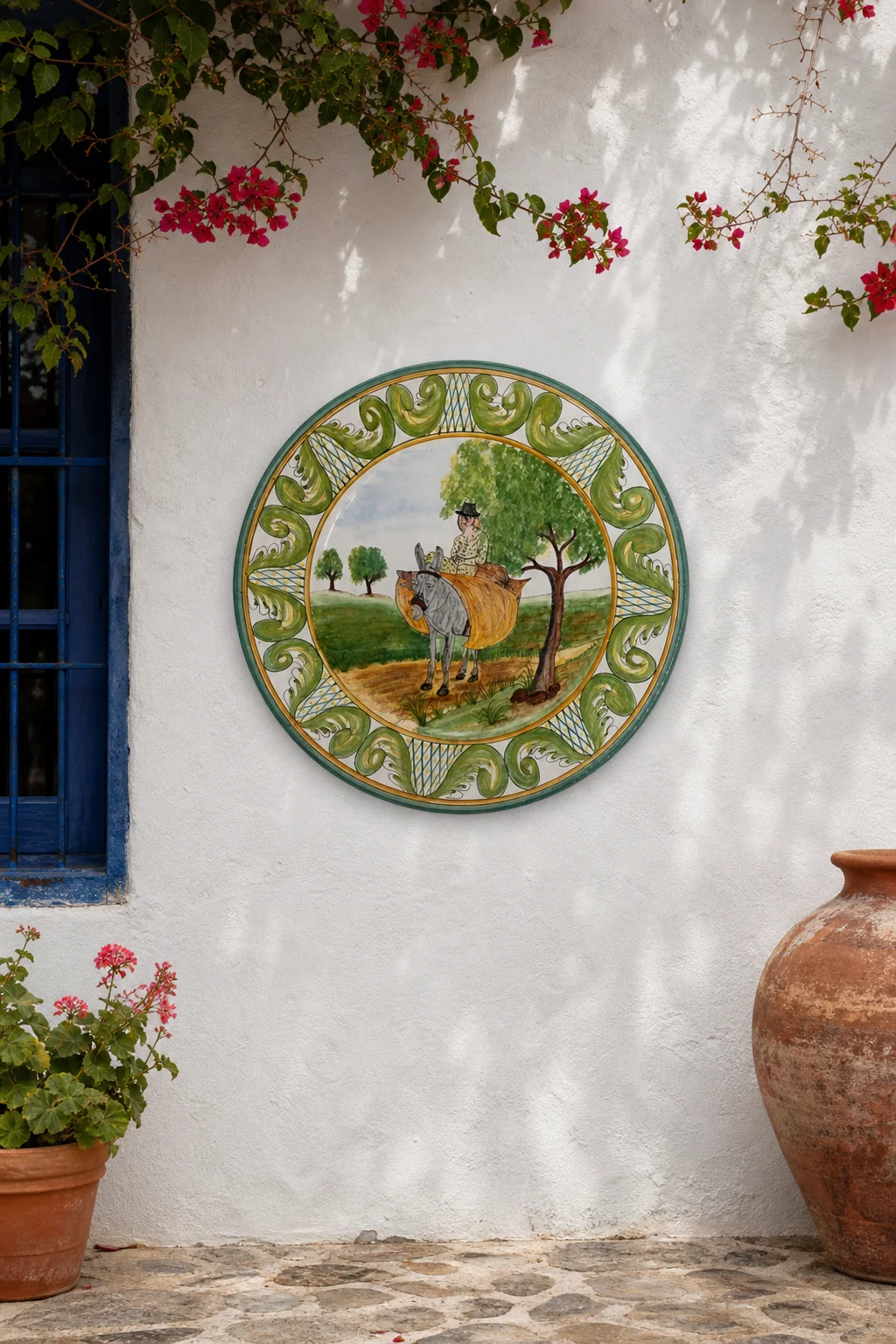
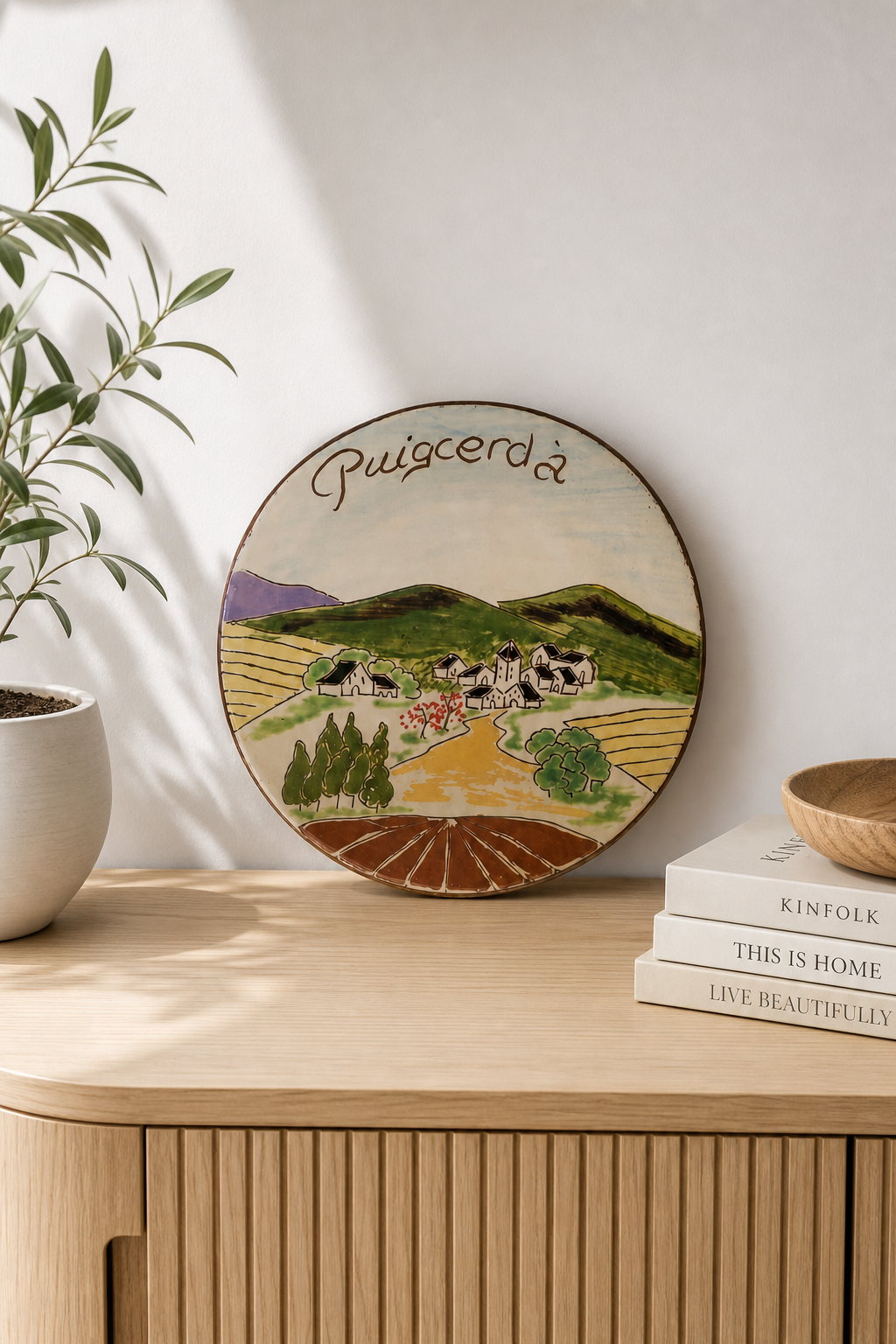
Spanish pottery brings colour, texture, and old-world character to a home, making it a beautiful choice for Mediterranean-style interiors and traditional displays. A Talavera pitcher on a shelf, a Lebrillo basin in an entryway, or hand-painted wall plates in a dining room can add warmth and visual interest with ease.
These decorative pieces are admired for their presence, but many vintage and traditional Spanish ceramics are made from low-fire earthenware. This makes them more porous and more fragile than modern stoneware. Because of that, cleaning should always be gentle and careful. The goal is not to make the piece look brand new. The goal is to clean it safely while preserving the glaze, painted decoration, and clay body underneath.
This is especially important for older pieces that may have crazing, small chips, prior repairs, or years of dust and outdoor exposure. Crazing is the web-like pattern of tiny cracks in the glaze, and it is common in antique ceramics. It does not always mean a piece is broken, but it does mean water can seep into the surface if the item is soaked or scrubbed too aggressively.
Before cleaning, inspect the pottery closely. Look for cracks and chips, check for crazing, tap lightly for a clear ring, note any outdoor residue, and observe the painted details. If a piece is especially old, valuable, or visibly damaged, it may be better to clean only the surface dust and leave deeper grime for a conservator.
Simple tools are usually best: soft microfiber cloths or other lint-free cloths, a soft artist’s brush or infant toothbrush, a plastic basin or tub lined with a towel, lukewarm water, a mild, pH-neutral detergent or gentle dye-free dish soap, and clean water, preferably distilled for the final rinse.
The safest routine is straightforward: dry dust first, test a hidden spot, wipe gently in small sections, rinse with clean water, and dry fully. Never soak the piece, and never let it sit in water. Avoid bleach, ammonia, harsh all-purpose cleaners, abrasive pads, stiff brushes, metal brushes, waxes, and polishes.
For decorative wall plates, pitchers and vases, Lebrillo basins and larger decorative pieces, and tapas dishes and small serving pieces, the same gentle care applies. Handle large or narrow pieces with two hands, and never lift a heavy vintage piece by the handle alone. A light dusting once a month is often enough for display pieces.
If a wall plate is rehung after washing, wait at least 24 hours before rehanging it. With soft tools, lukewarm water, mild soap, and a patient touch, Spanish pottery can stay clean while preserving the character that makes each piece special.