














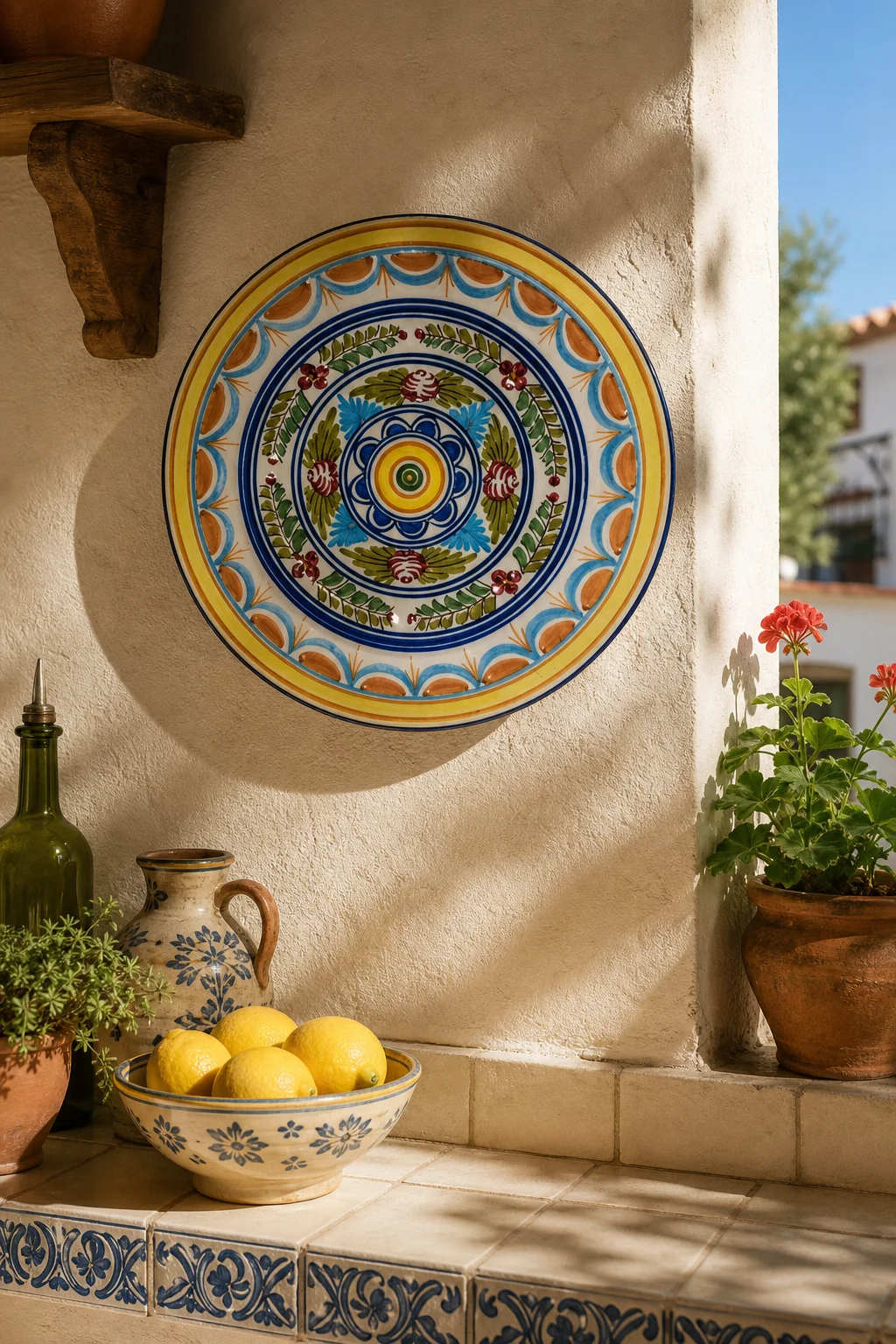
How to Protect Ceramic Pieces From Sun Fading
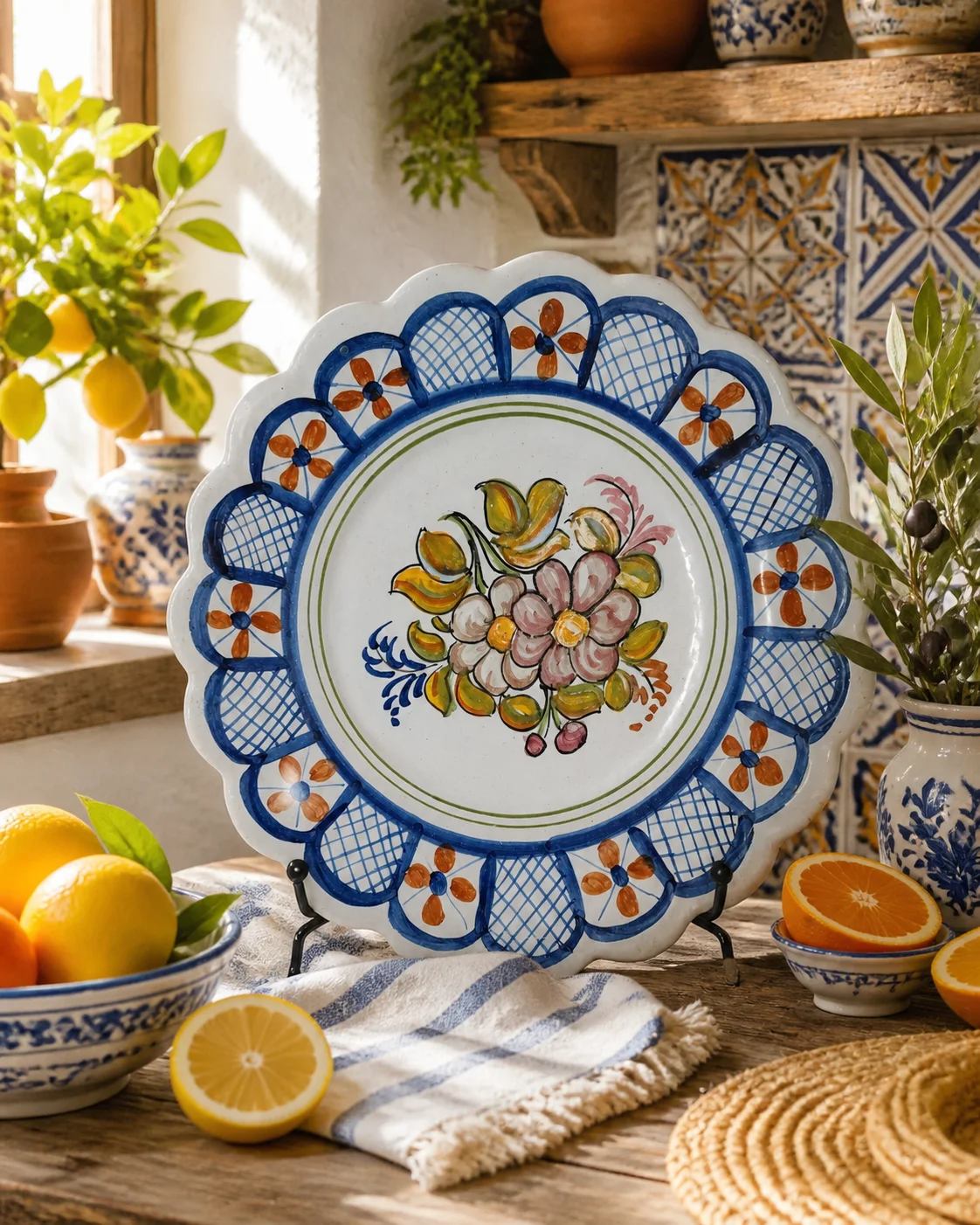
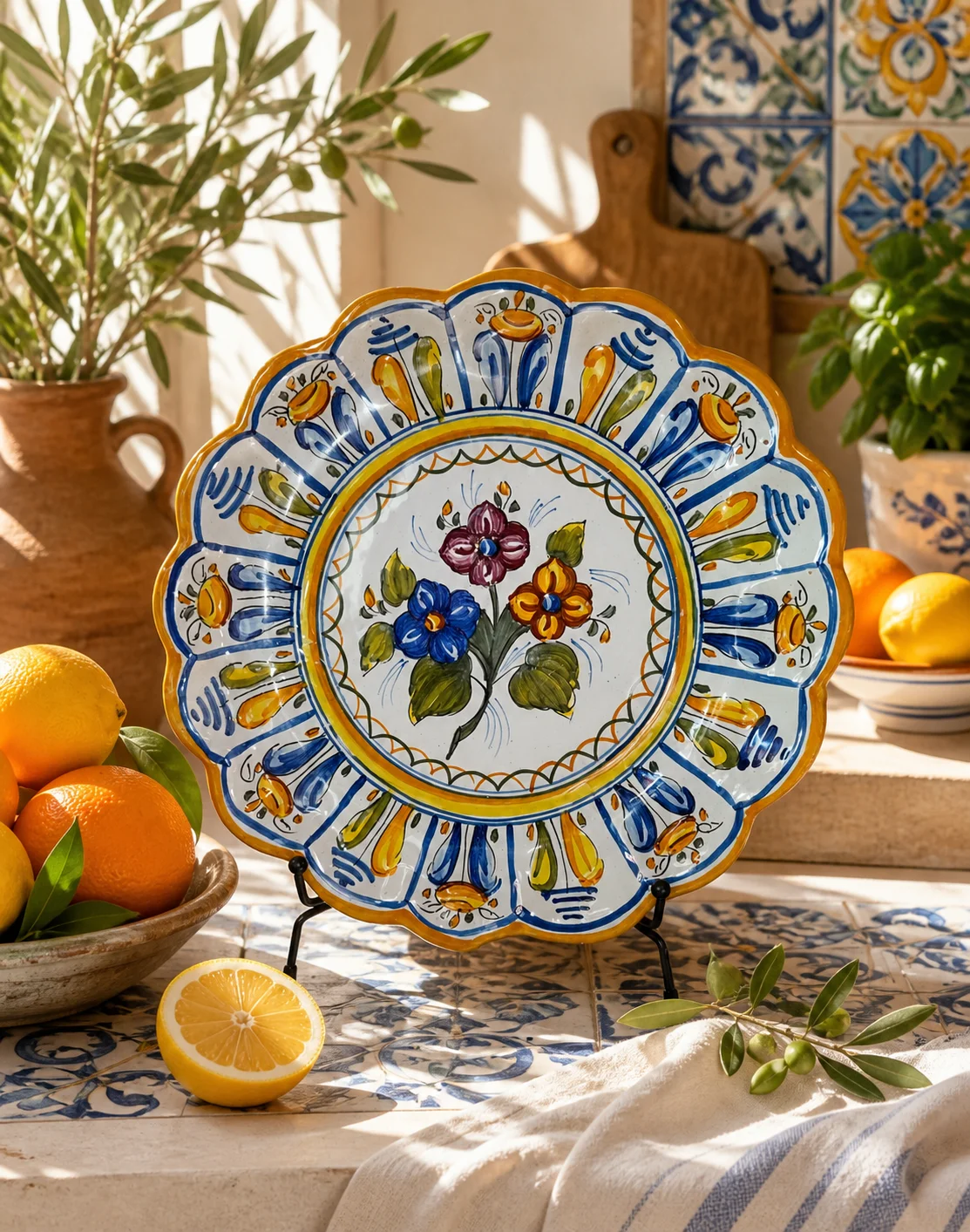
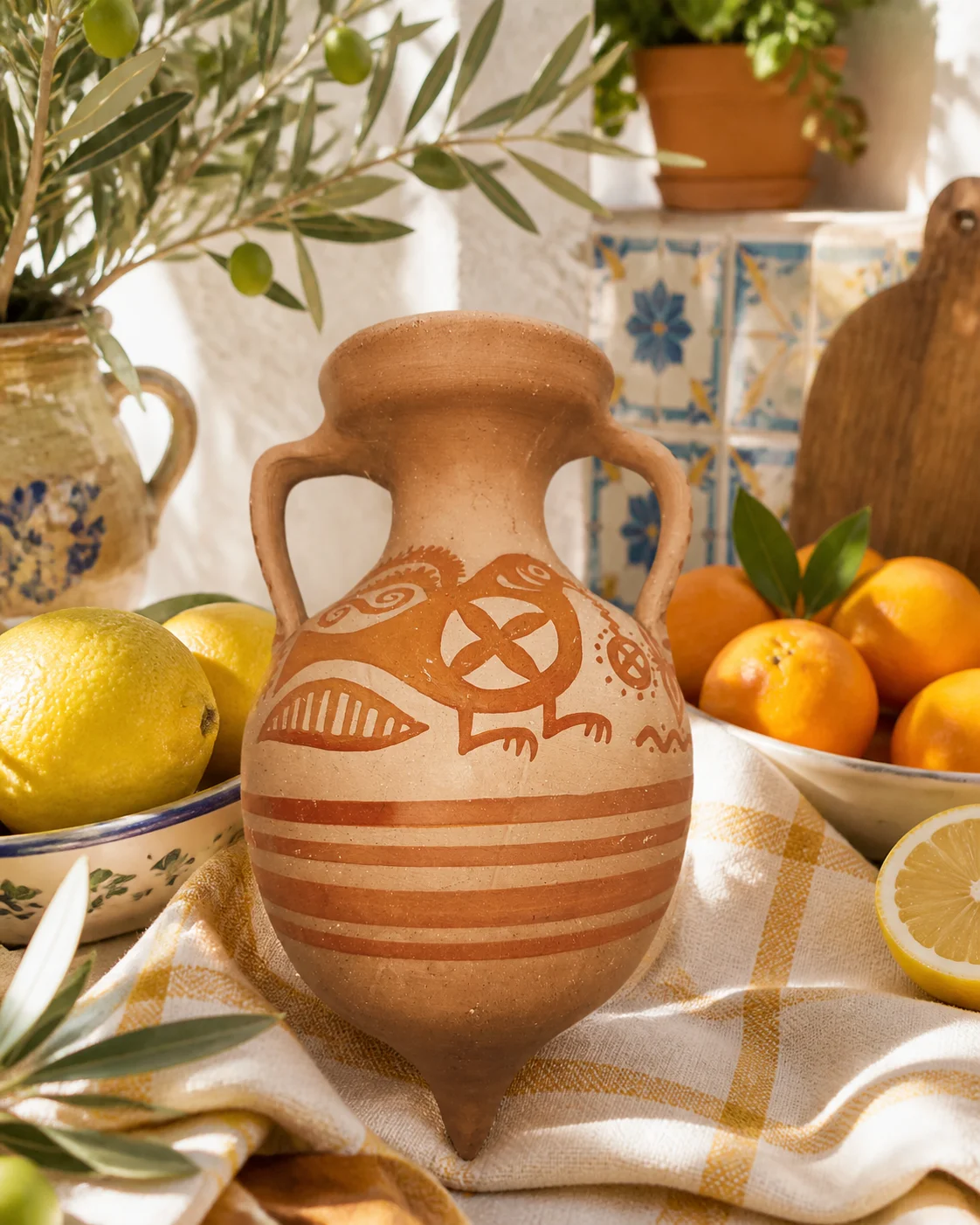
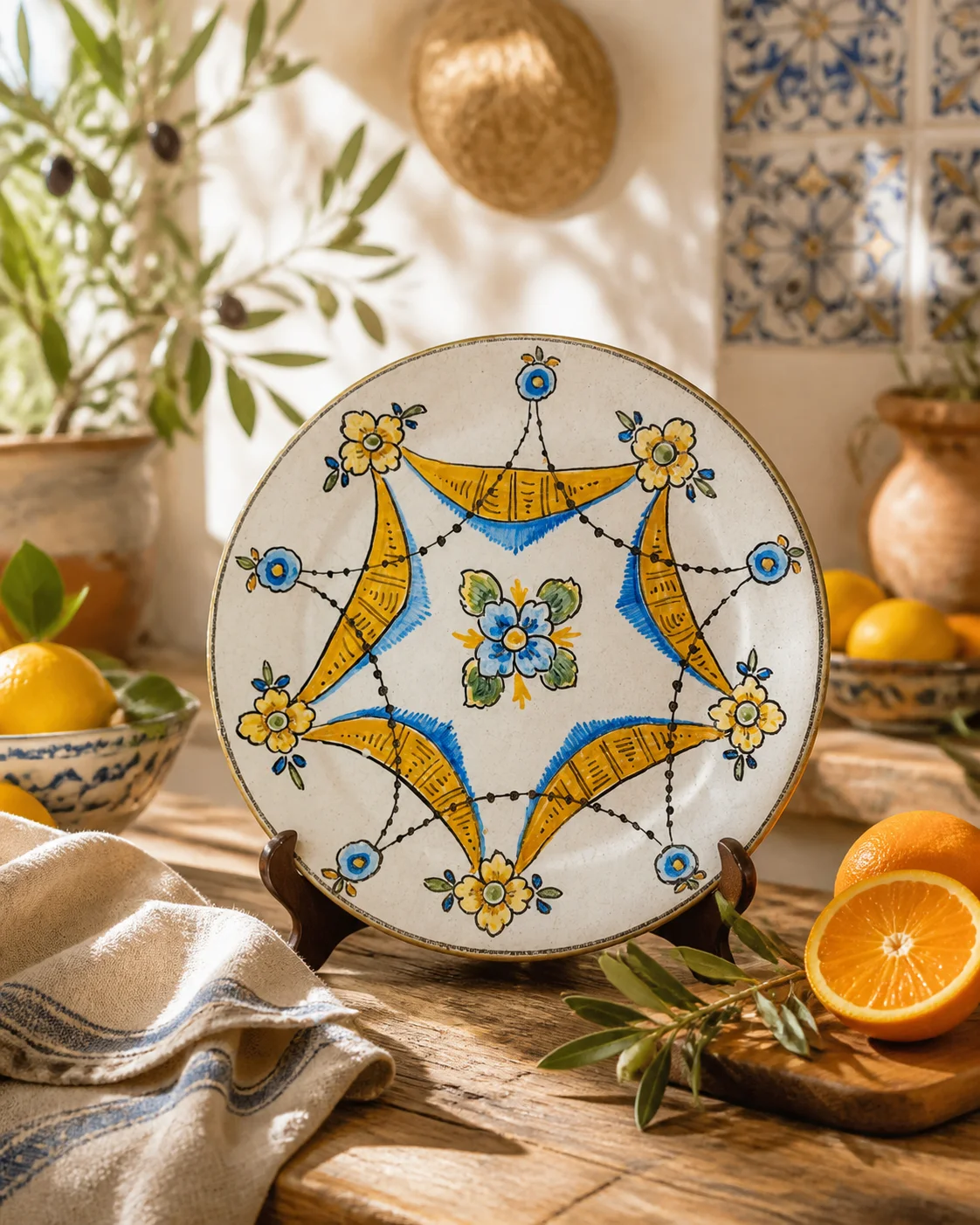
Spanish pottery, hand-painted ceramics, decorative wall plates, and rustic tapas dishes bring colour, texture, and a warm Mediterranean feel to a home, patio, or dining area. With simple, thoughtful care, these decorative ceramics can continue to be enjoyed for years while keeping their character and visual appeal.
Most ceramic clay bodies are durable. In many cases, the parts most likely to show wear are the painted decoration, decals, printed images, and some glaze colours. Sunlight does not affect every ceramic item in the same way. Some glazes remain stable for years, while decoration applied on top of the glaze may be more vulnerable to ultraviolet exposure and heat. The ceramic body may stay sound, while the surface details that create colour and pattern gradually change if exposed to strong light over time.
This is especially important in bright rooms, on sunny windowsills, and in west-facing spaces with strong afternoon light. In these conditions, fading can happen gradually. Blues, reds, yellows, and other vivid colours may slowly lose intensity. The change is often subtle at first, so thoughtful placement is one of the simplest and most effective ways to help protect the look of your ceramics.
Heat can also add stress. Pieces stored in a hot car, enclosed porch, or attic may age faster than pieces kept in a cool indoor area. Keeping ceramics in a cooler environment can help reduce that risk.
The simplest way to help protect ceramics is to reduce direct exposure. Place pieces on an interior shelf, mantel, or cabinet instead of a windowsill when possible. Indirect light is often the best balance. UV-filtering film, shades, blinds, or sheer curtains can soften bright rooms while keeping the space welcoming.
For outdoor ceramics, covered or shaded spots are best. A covered patio roof, shaded shelf, screened porch, or wall with partial shade can offer more protection than full afternoon sun. In colder parts of the United States, decorative outdoor ceramics are usually safest brought inside during winter unless the maker specifically says they are suitable for freezing conditions.
Cleaning should stay gentle. For most glazed pieces, use mild dish soap, lukewarm water, and a soft cloth. Avoid abrasive scrubbers and harsh chemicals, especially on hand-painted or decorative ceramics. If fading is hard to judge, compare the piece with an older photo or another item from the same set.
With simple placement, gentle cleaning, and routine care, Spanish pottery and other decorative ceramics can remain a beautiful part of the home.