















How to Hang a Spanish Wall Plate Safely Indoors: A Complete, Practical Guide
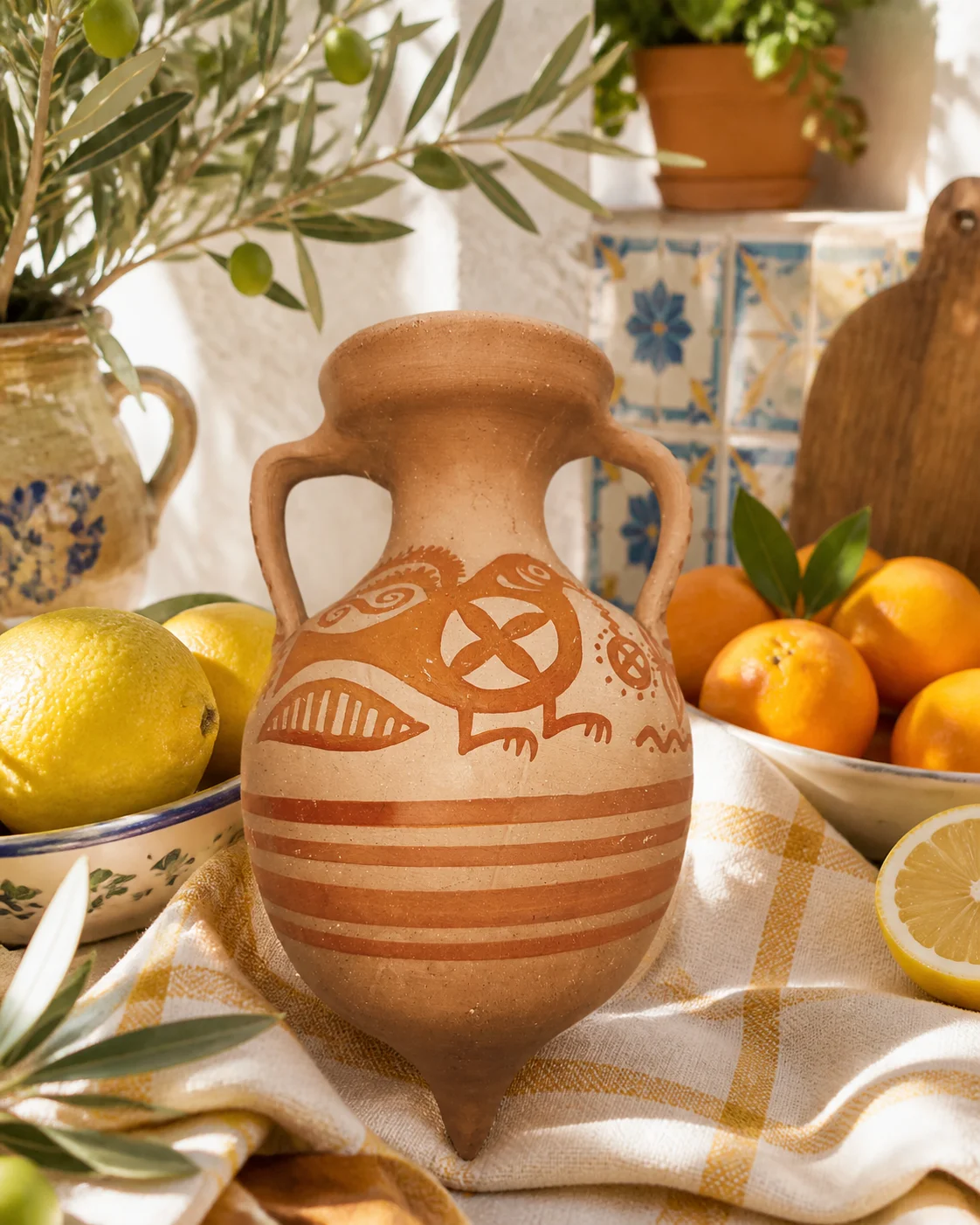
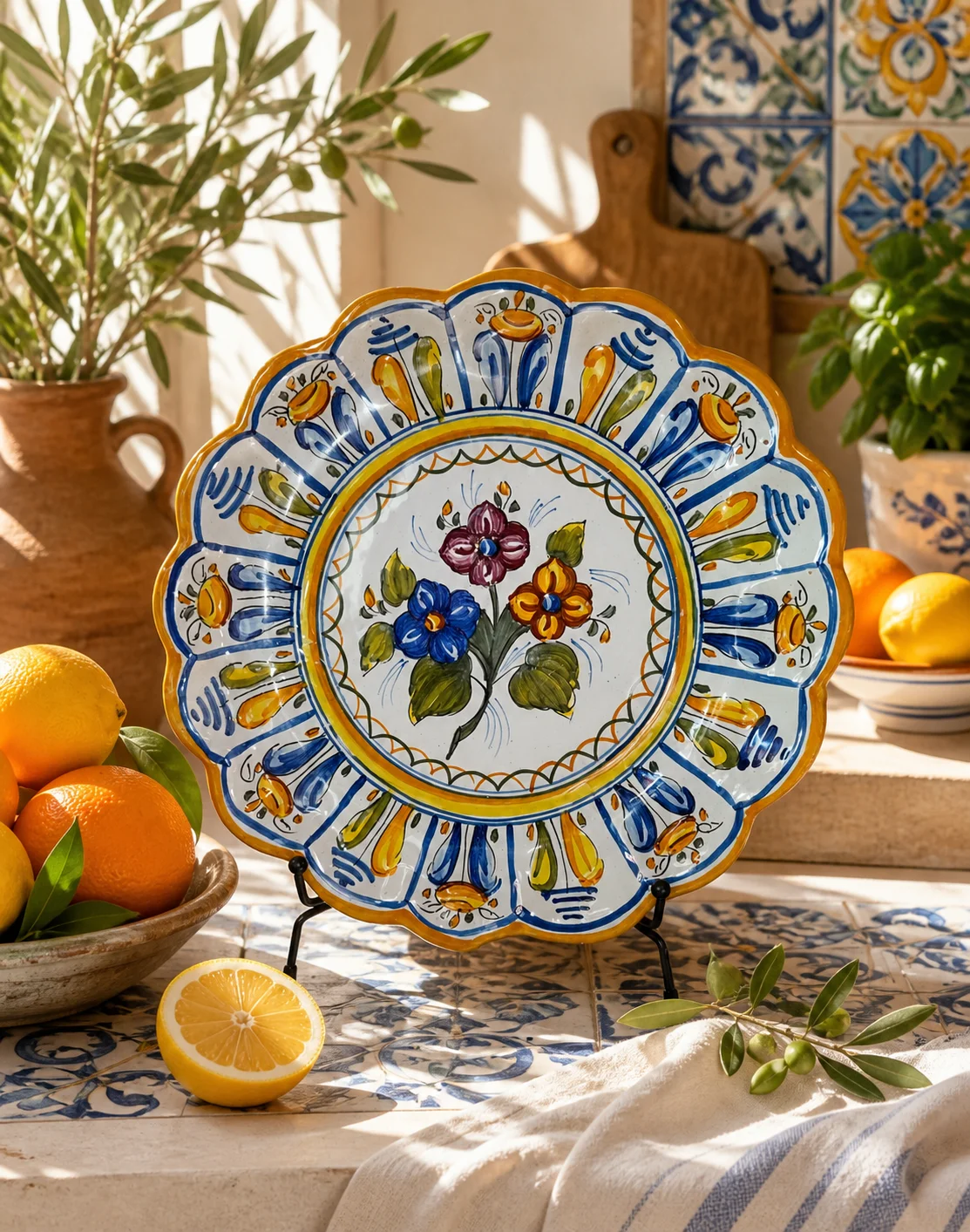
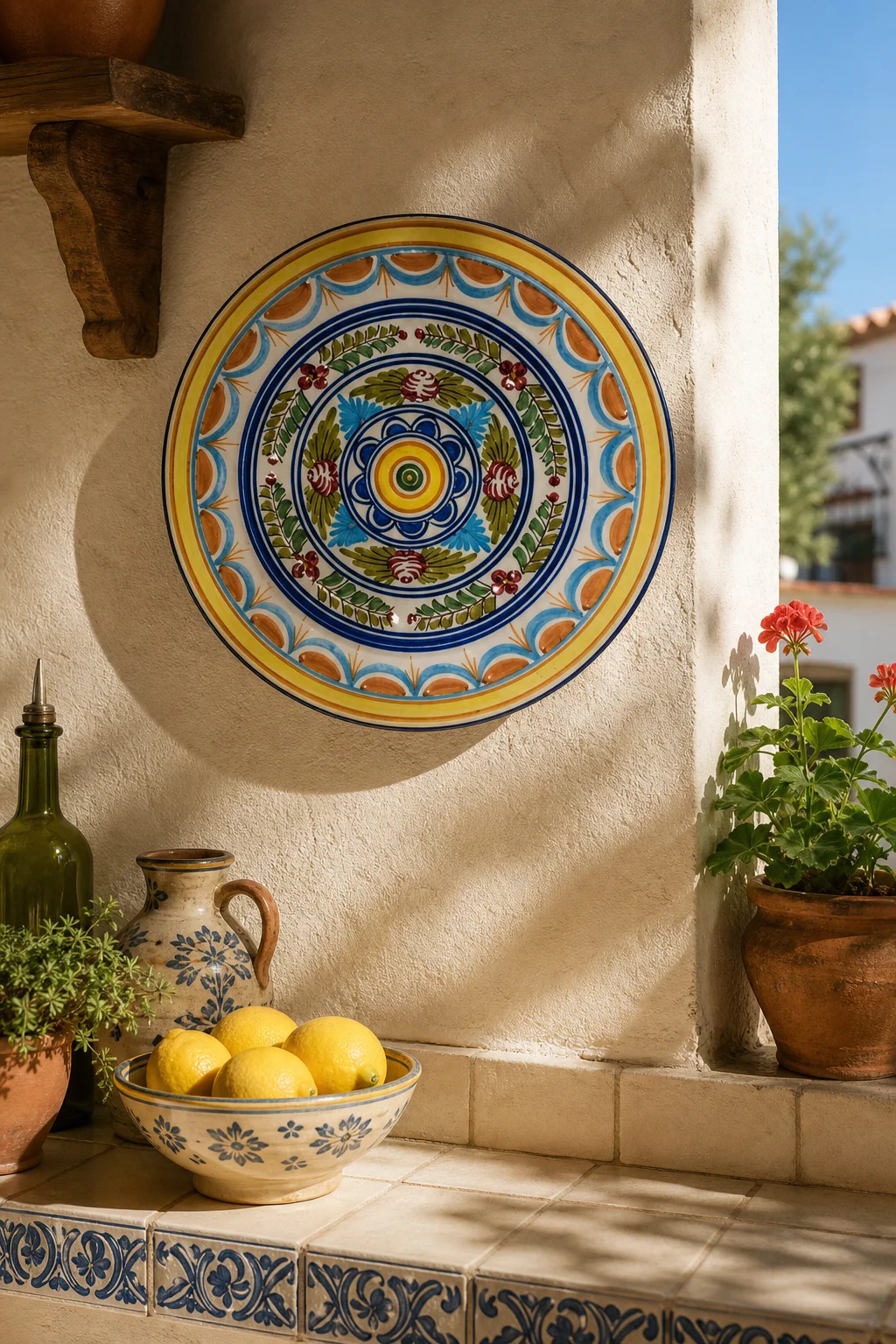
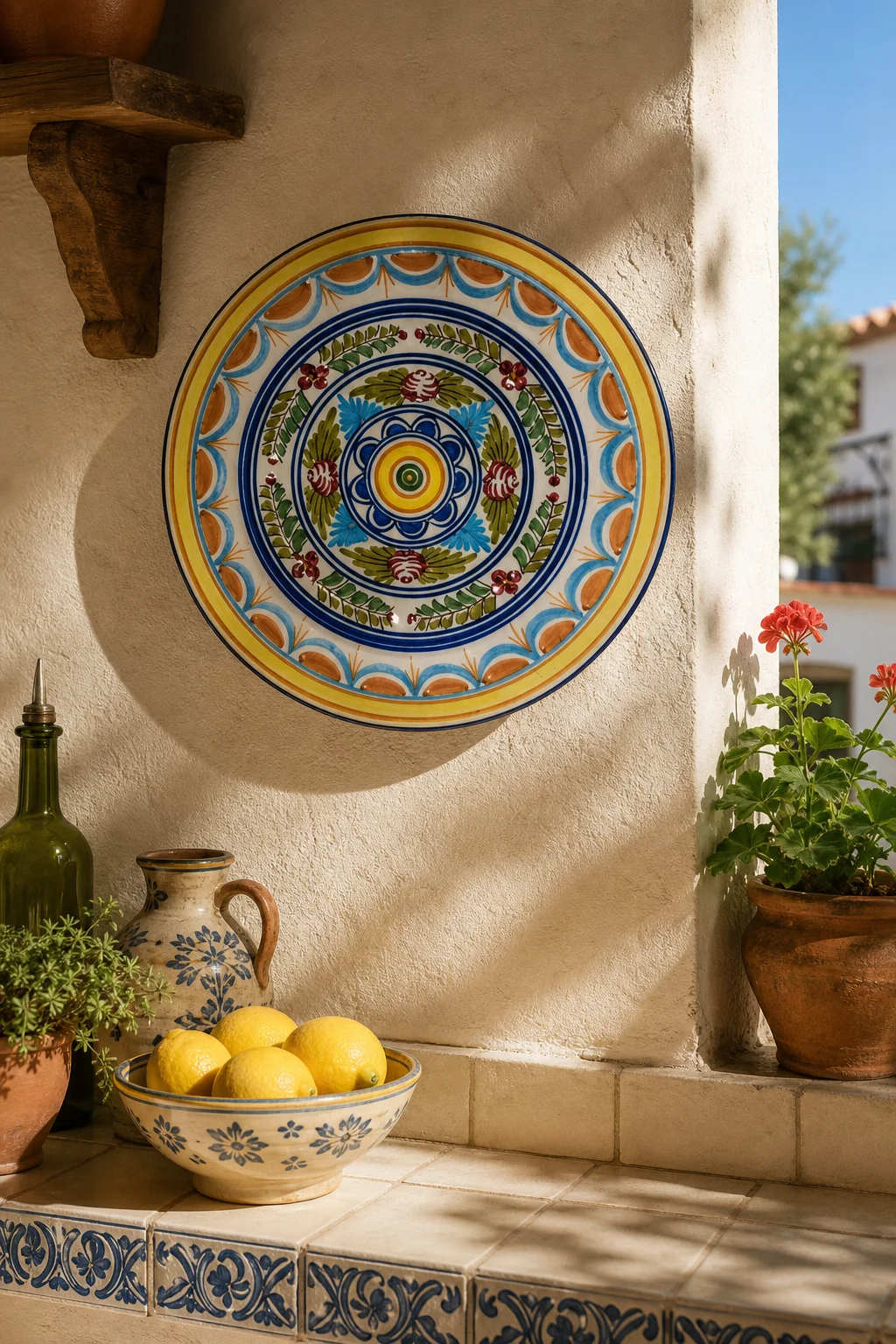
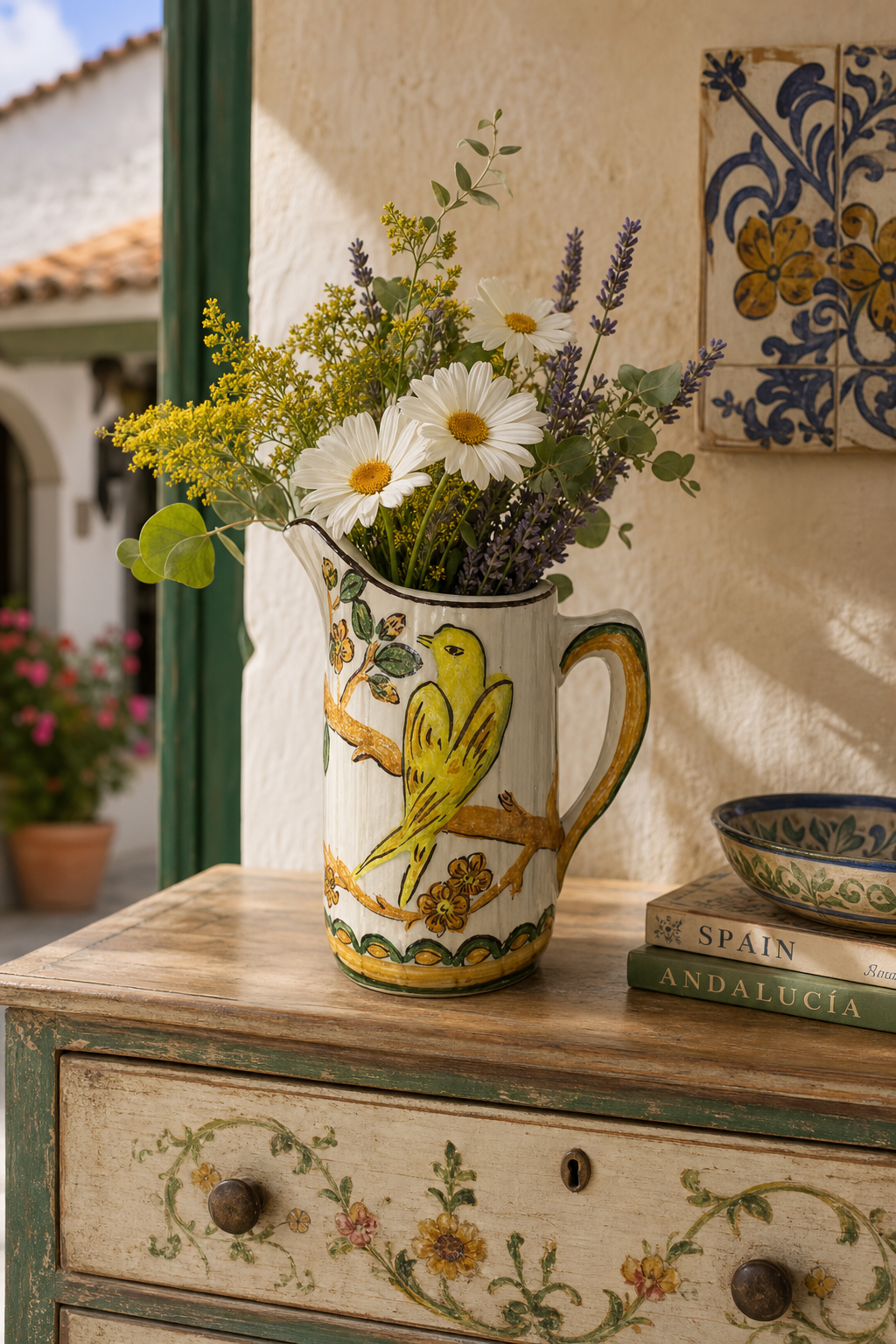
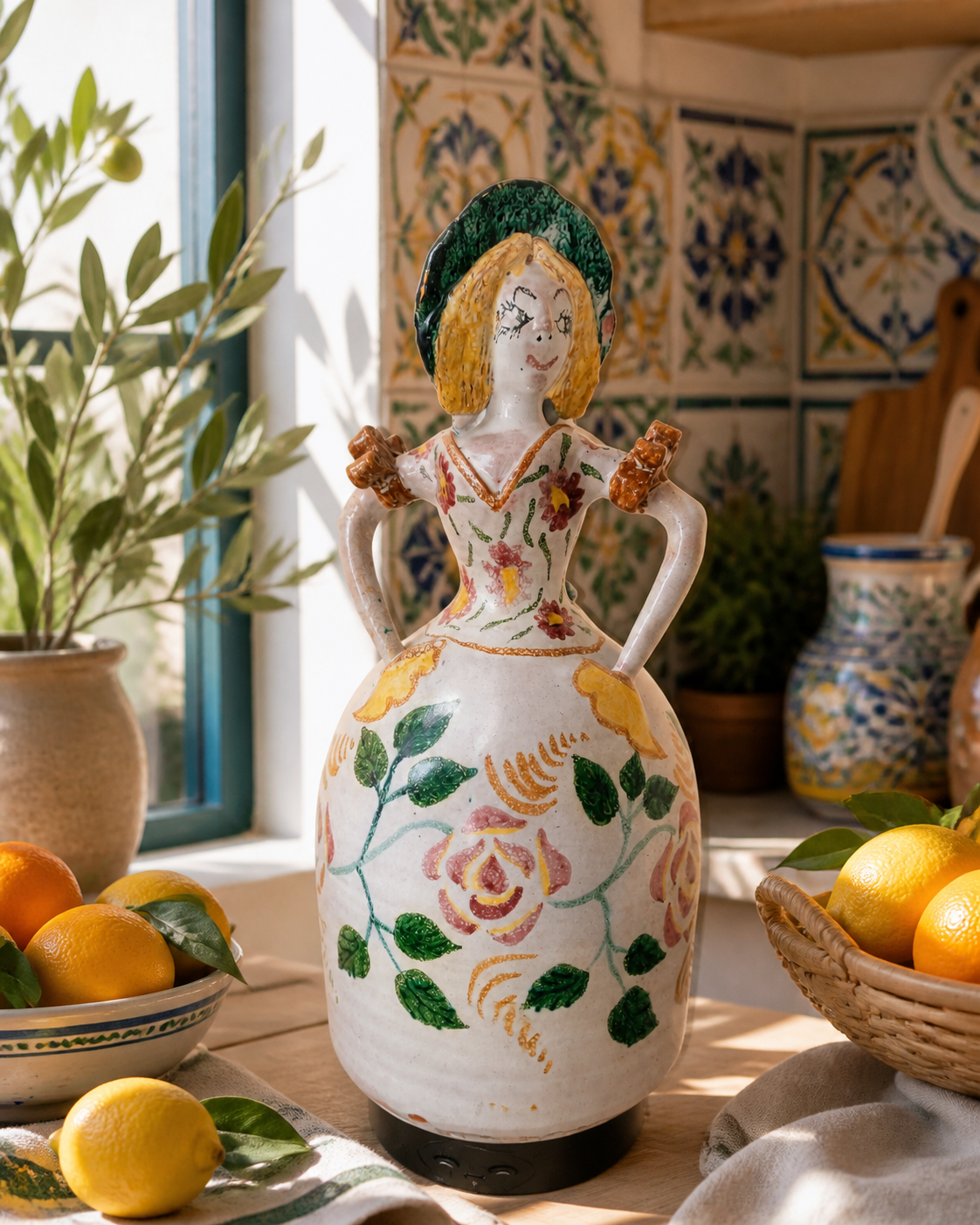
Spanish wall plates bring color, texture, and a distinctly Mediterranean feel to a room. Whether the piece is hand-painted in Andalusia, patterned with geometric Manises-style motifs, or finished in a rustic style from Murcia, it can become a striking focal point in an entryway, dining room, kitchen, or gallery wall. Their decorative presence is warm and inviting, and when hung well, they can add a clear sense of Spanish character to an interior without overwhelming the space.
Like any ceramic object, however, a wall plate needs to be hung with care. The right hanging method depends on the plate itself, the wall behind it, and where you want to display it. A lightweight decorative plate on drywall does not need the same hardware as a heavier ceramic piece on brick. The goal is simple: keep the plate secure, protect the ceramic, and make sure it stays level and stable over time.
Before choosing hardware, inspect the plate carefully. Not all decorative plates are made the same way, and the back side often determines the safest hanging method. A plate with a built-in hanging hole is usually the easiest and most secure to display. Many Spanish wall plates are made with this in mind, and that built-in feature can make the hanging process more straightforward.
Check three things first: weight, shape, and back surface. Small decorative plates may be light enough for a simple hook, while larger ceramic plates need stronger support. Flat-backed plates, shallow dishes, and deeply curved pieces may require different hangers. Glazed, unglazed, textured, or stamped backs can affect how well a hanger grips. If the plate is vintage, handmade, or especially delicate, handle it as minimally as possible.
Common hanging options for Spanish wall plates include a built-in hanging hole, a spring-loaded plate hanger, an adhesive disc hanger, or a plate shelf or stand. The most important point is to match the hanger to the plate, not simply to choose the first available method.
The wall matters too. Drywall, brick, concrete, plaster, and wood all require different support. Matching the hardware to the wall helps keep the plate secure and stable over time.
For indoor display, place Spanish wall plates in entryways, dining rooms, kitchens, living rooms, hallways, or stair landings. If displaying more than one, leave about 10 to 15 centimeters between plates.
Keep the plate away from heat, clean it gently, and check the hanger regularly.